


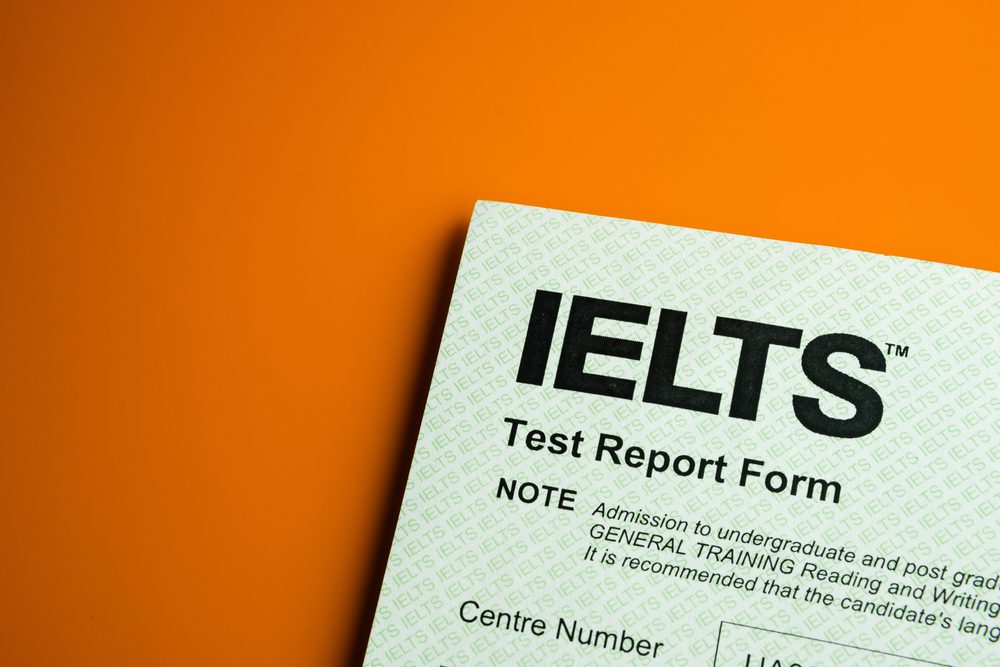
Securing a UK visa requires navigating complex documentation requirements, with English language proficiency standing as a non-negotiable gateway for most applicants. IELTS tests for UK Visas and Immigration (UKVI) serve as the primary mechanism for demonstrating this competency to UK Visas and Immigration authorities. Unlike standard IELTS examinations, UKVI IELTS operates under strict Secure English Language Test (SELT) protocols mandated by the UK Home Office.
The stakes are substantial. Submitting a non-UKVI IELTS score for visa applications results in automatic rejection, wasting months of preparation and significant financial investment. This guide provides technical clarity on test structures, recent policy shifts including the January 2026 requirement elevation for work visas, and actionable strategies for first-attempt success.
What Makes IELTS for UK Visas and Immigration Different from Standard IELTS
Many applicants mistakenly assume regular IELTS Academic or General Training scores suffice for UK immigration. This misconception leads to costly application delays. IELTS tests for UK Visas and Immigration differ from standard versions in three critical dimensions:
Administrative Security Layer: UKVI IELTS operates exclusively at authorized test centers meeting enhanced surveillance requirements. These facilities implement biometric data collection, continuous CCTV monitoring during test sessions, and rigorous identity verification protocols. Standard IELTS centers lack these mandatory security infrastructures.
Test Report Form Distinction: UKVI IELTS generates a specific Test Report Form (TRF) containing unique identifiers confirming the examination occurred at a UKVI-approved session. Immigration officials cross-reference these markers against Home Office databases. Standard IELTS TRFs lack these verification elements, rendering them invalid for visa submissions.
Purpose Limitation: While standard IELTS serves global academic admissions and employment verification, UKVI IELTS specifically satisfies UK immigration legal requirements. The test content, reading passages, listening audio, writing tasks, and speaking prompts, remains identical in difficulty and format to standard IELTS. The divergence lies entirely in administrative oversight and result authentication.
Learn More: IELTS Saudi Arabia 2026
Comprehensive Breakdown of UKVI IELTS Test Types
UK Visas and Immigration recognizes four distinct IELTS test variants, each aligned with specific visa categories and CEFR proficiency thresholds:
IELTS for UKVI Academic
This variant targets applicants pursuing higher education or professional registration in the UK. The test assesses all four language skills, Listening, Reading, Writing, and Speaking, through academic-oriented content. University applicants at undergraduate or postgraduate levels typically require this version, with most institutions demanding CEFR B2 (IELTS 5.5-6.5) or higher for degree programs .
IELTS for UKVI General Training
Designed for migration and non-academic training purposes, this version evaluates practical English survival skills across workplace and social contexts. Applicants seeking employment below degree level, vocational training, or general migration pathways utilize this variant. The Reading and Writing sections differ from Academic versions, emphasizing everyday communication scenarios .
IELTS Life Skills A1
This streamlined assessment evaluates only Listening and Speaking competencies at a basic survival level. Required for initial family visa applications (spouse, partner, parent), the A1 level demands ability to understand simple instructions, express basic needs, and engage in routine conversations. The test format involves a face-to-face interview with an examiner and another candidate, lasting approximately 16-18 minutes .
IELTS Life Skills A2
Positioned slightly above A1, this level applies specifically to family visa extension applications. Applicants who initially entered on A1-level visas must demonstrate progression to elementary competency when seeking permission to remain after 2.5 years. The A2 test incorporates comparison, planning, and prioritization tasks beyond basic A1 functions .
IELTS Life Skills B1
This intermediate level serves settlement (Indefinite Leave to Remain) and British citizenship applications. The B1 assessment requires narrative abilities, contrast expression, and discussion of future possibilities. Successful candidates demonstrate capacity to handle unexpected situations and participate actively in conversations without prompting .
CEFR Level Requirements by Visa Category (Including January 2026 Changes)
The UK Home Office utilizes Common European Framework of Reference for Languages (CEFR) levels to standardize English requirements across visa routes. Recent policy modifications have elevated standards for major work immigration categories:
Student Visa Requirements
Degree-level applicants must demonstrate CEFR B2 (IELTS 5.5 in all four components). Below-degree-level students require CEFR B1 (IELTS 4.0). Notably, students applying to Highly Trusted Sponsors for bachelor or postgraduate degrees often bypass separate English testing if their institution assesses language competency during admissions .
Work Visa Requirements (Critical 2026 Update)
Effective January 8, 2026, new Skilled Worker, Scale-up Worker, and Health and Care Worker visa applicants must achieve CEFR B2 (IELTS 5.5 in each component), elevated from the previous B1 (IELTS 4.0) standard . This change reflects the UK government’s emphasis on enhanced workplace integration and communication competency. Existing visa holders extending permissions under the same route may continue utilizing B1-level qualifications obtained before this cutoff date. Minister of Religion visas require CEFR B2 (IELTS 5.5), while International Sportsperson and Representative of an Overseas Business visas mandate only CEFR A1 (Life Skills Pass) .
Family Visa Progression
Initial family visa applications require CEFR A1 (Life Skills Pass). Extension applications after 2.5 years demand CEFR A2. Settlement applications require CEFR B1. This progressive structure ensures language development correlates with residency duration .
Settlement and Citizenship
Indefinite Leave to Remain and British citizenship applications both require CEFR B1 (Life Skills Pass or IELTS 4.0 in all four components). Applicants must additionally pass the Life in the UK Test for naturalization .
Step-by-Step UKVI IELTS Booking Process
Securing an IELTS for UK Visas and Immigration test slots requires precision, authorized centers operate under limited capacity due to security infrastructure requirements.
- Step 1: Visit the official IELTS registration portal (British Council or IDP: IELTS Australia) and select the “IELTS for UKVI and IELTS Life Skills” category.
- Step 2: Input your geographic location. The system displays only UKVI-authorized centers within your region. Standard IELTS venues appear separately, verify the “UKVI” designation before proceeding.
- Step 3: Select your specific test variant (Academic, General Training, or Life Skills level). Double-check alignment with your visa category requirements, Academic and General Training suit four-skill visas, while Life Skills serves two-skill requirements.
- Step 4: Choose between computer-delivered or paper-based formats. Computer-delivered UKVI IELTS offers faster results (3-5 days) compared to paper-based (13 days). Both formats carry identical weight for immigration purposes.
- Step 5: Upload a clear, color-scanned passport copy. UKVI mandates passport-based registration exclusively, national ID cards or driver’s licenses suffice only for standard IELTS.
- Step 6: Complete payment. UKVI IELTS fees exceed standard IELTS by approximately £30-50 due to enhanced security protocols. Current UK pricing ranges £395-£425 for Academic/General UKVI variants, and £210 for Life Skills.
- Step 7: Receive confirmation containing your test date, venue address, and reporting time. Print this documentation, electronic-only presentation may delay check-in.
Test Day Security Protocols and What to Expect
UKVI test centers enforce stringent security measures distinguishing these sessions from standard IELTS:
- Biometric Enrollment: Upon arrival, candidates undergo photograph capture and fingerprint scanning. This biometric data links permanently to your Test Report Form, preventing result substitution or identity fraud.
- Continuous Surveillance: Examination rooms maintain uninterrupted CCTV recording throughout test duration. Audio monitoring systems capture ambient sound for integrity verification.
- Identity Verification: Staff cross-check passport details against registration records multiple times, at entry, during breaks (if applicable), and at exit. Discrepancies result in immediate test cancellation without refund.
- Prohibited Items: Mobile devices, smartwatches, and electronic accessories remain banned. Centers provide secure storage, but bringing valuables creates unnecessary risk.
- Seating Protocols: Computer-delivered UKVI IELTS assigns specific workstations; paper-based versions use assigned seating charts. Randomization prevents collusion.
Results, Validity, and Retake Policies
- Results Timeline: Paper-based UKVI IELTS releases results 13 calendar days post-test. Computer-delivered versions typically release within 3-5 days. Life Skills results arrive within 7 days.
- Validity Period: All UKVI IELTS scores remain valid for 24 months from the test date. Plan visa application timing carefully, expired scores require complete retesting.
- Retake Flexibility: No restrictions limit retake frequency. Candidates may rebook immediately after receiving unsatisfactory results. However, each attempt requires full fee payment and fresh biometric enrollment.
- Component-Specific Retakes: Since 2024, IELTS One Skill Retake (OSR) allows single-component re-examination within 60 days of initial testing. This applies to UKVI versions at participating centers, reducing costs for candidates narrowly missing target scores in one section.
Common Mistakes to Avoid When Taking IELTS for UKVI
- Booking Wrong Test Type: Selecting standard IELTS instead of UKVI versions constitutes the most expensive error. Always verify the “UKVI” designation in your booking confirmation.
- Misaligned CEFR Level: Taking Life Skills B1 when your visa requires four-skill testing (or vice versa) results in invalid submissions. Cross-reference the official GOV.UK visa guidance before booking.
- Expired Documentation: Attempting to use results beyond the 2-year validity window triggers visa refusal. Maintain a buffer between testing and application submission.
- Unapproved Centers: Testing at non-UKVI authorized venues, even within reputable IELTS networks, produces unusable results. The authorized center list changes periodically; verify current status on the UKVI website.
- Ignoring 2026 Requirement Elevation: Applicants preparing under old B1 (IELTS 4.0) standards for Skilled Worker visas must adjust targets to B2 (IELTS 5.5) for applications post-January 8, 2026.
Strategic Preparation Tips for UKVI IELTS Success
Target Score Calibration: Research your specific visa category’s CEFR requirement, then add 0.5-1.0 band score buffer to your preparation target. UKVI mandates achieving minimums in all four components simultaneously, no averaging allowed.
Familiarization with Security Protocols: Practice arriving early and organizing documentation to reduce test-day anxiety. Biometric procedures add 15-20 minutes to check-in time.
Life Skills Specific Preparation: For A1/A2/B1 candidates, focus on functional communication rather than academic vocabulary. Practice dialogues involving daily routines, shopping, health appointments, and family discussions.
Computer-Delivery Adaptation: If selecting computer-based UKVI IELTS, practice typing essays under timed conditions. The 60-minute Writing section allows approximately 300 words for Task 2, ensuring your typing speed sustains this output.
Result Timing Strategy: Book tests minimum 6 weeks before visa application deadlines. This accommodates potential retakes if initial attempts fall short.
Frequently Asked Questions
What is the difference between IELTS UKVI and regular IELTS?
IELTS for UK Visas and Immigration maintains identical test content, difficulty, and scoring to regular IELTS. The distinction lies in administrative security, UKVI versions require testing at authorized centers with biometric verification, CCTV monitoring, and specialized Test Report Forms. Regular IELTS lacks these immigration-specific authentication features and cannot be used for UK visa applications.
Can I use my UKVI IELTS score for university admissions outside the UK?
Yes. UKVI IELTS scores carry global recognition and satisfy admission requirements for institutions worldwide. However, the reverse does not apply, standard IELTS scores cannot substitute for UKVI versions in immigration contexts.
How long is UKVI IELTS valid for visa applications?
Results remain valid for 2 years from the test date. After expiration, you must retake the complete examination, no extension mechanisms exist.
What CEFR level do I need for a UK Skilled Worker visa?
As of January 8, 2026, new Skilled Worker visa applicants require CEFR B2 (minimum IELTS 5.5 in all four components). Applicants who held Skilled Worker visas before this date and are merely extending permissions may continue using B1-level qualifications (IELTS 4.0).
Is there a limit to how many times I can retake UKVI IELTS?
No restrictions apply. You may retake UKVI IELTS or Life Skills tests unlimited times until achieving required scores. Each attempt requires full fee payment and fresh registration.
Can I take the UKVI IELTS in my home country?
Availability depends on authorized center presence. UKVI mandates testing at specifically approved venues, fewer locations offer UKVI sessions compared to standard IELTS. Major cities typically host authorized centers, but rural areas may require travel.
What happens if I fail one component of UKVI IELTS?
UKVI requires minimum scores in all four components simultaneously. Failing one section necessitates complete retesting or utilizing One Skill Retake (OSR) if available at your center and within 60 days of initial testing.
Do I need UKVI IELTS for a Graduate visa?
Graduate visa applicants typically rely on English qualifications already submitted during initial Student visa applications. If you previously demonstrated B2-level competency for university admission, separate testing usually isn’t required.
What identification documents are accepted for UKVI IELTS?
Passports serve as the sole universally accepted identification. EEA national ID cards are accepted only within their issuing countries. All documents must remain valid on test day, expired documentation results in test cancellation without refund.
How soon can I book a UKVI IELTS test?
Test dates typically become available within 28 days of booking. High-demand periods (university application seasons) may show limited availability, book 6-8 weeks in advance when possible.